
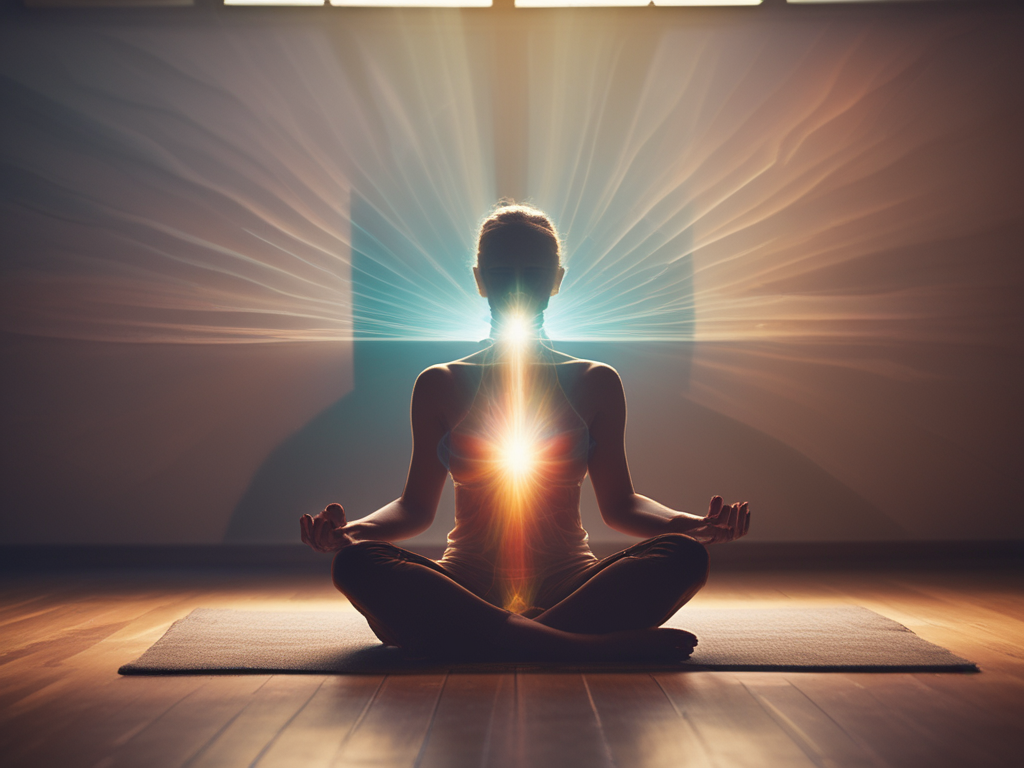
Meditation is a concept familiar to us all, resonating from childhood through adulthood and gaining even more prominence today. But what exactly is meditation, and what makes it so captivating? How does meditation benefit us?
Let’s start by answering these questions one at a time, beginning with the most obvious:
WHAT IS MEDITATION
The English word “meditation” derives from the Latin term “meditatum,” meaning “to ponder.” In Hindi, meditation is known as “Dhyana.” Hinduism has a rich history of meditation practices, with some of the earliest references found in the Vedas, dating back to around 1500 BCE. Originating in India, meditation later spread to China and other parts of the world.
To put it simply, meditation is like mental exercise for your mind. It helps you rest, relax, and become aware of your thoughts and feelings. In our everyday lives, our minds are continuously active, generating countless thoughts every second, and we often react to these thoughts almost reflexively, driven by our biases and conditioning, akin to programmed beings or bots. Meditation gives us the time and space to consciously become aware of our thoughts. Imagine your mind is a bustling beach; meditation is like finding a calm, quiet spot on that beach to sit and watch the waves (your thoughts) come and go without getting caught up in them.
WHY IT iS IMPORTANT THAT WE MEDITATE
For millennia, meditation has been integral to spiritual traditions. However, in recent years, our lives have become increasingly stressful, filled with relentless deadlines, sales targets, and the constant pressure to achieve more in less time. Late nights, challenging relationships, and intense competition add to this fast-paced environment, creating a virtual race where everyone strives to outdo one another. In this demanding landscape, meditation has shifted from being optional to essential for all of us. Meditation is no longer a choice; if you want to take care of your emotional, mental, and physical health and live a happy, abundant life, then meditation is the key.
There are different types of meditation techniques; among them, mindfulness meditation is a widely used to start the journey. This meditation consists of two main components: attention and acceptance. The attention aspect involves focusing on present-moment experiences, which can be done by directing awareness to your breath, thoughts, physical sensations, and emotions. The acceptance component encourages observing these experiences without judgment. Rather than reacting to thoughts or feelings, the goal is to acknowledge them and allow them to pass without attachment.
BENEFITS OF MEDITATION
Meditation helps us in several ways by:
- Reducing Stress: It activates the body’s relaxation response, lowering cortisol levels and easing tension in the muscles.
- Improving Emotional Regulation: By increasing awareness of our thoughts and emotions, meditation helps us respond to situations with greater clarity and calmness.
- Enhancing Focus and Concentration: Regular practice strengthens our ability to sustain attention, improving productivity and performance in daily tasks.
- Promoting Mindfulness: It trains us to stay present in the moment, reducing overthinking and enhancing our ability to handle challenging situations.
- Supporting Physical Health: Meditation has been linked to benefits such as lower blood pressure, improved sleep quality, and boosted immune function.
- Cultivating Compassion: Some meditation techniques focus on developing empathy and kindness towards ourselves and others, fostering healthier relationships and a sense of connectedness.
Overall, meditation works by creating positive changes in our brain structure and function, leading to improved mental and physical well-being over time.
Personal experience on Meditation
Meditation has been life-changing for me. It’s helped me keep track of my thoughts and allowed me to embrace my emotions. Often, we’re taught to suppress or ignore feelings to avoid pain or accountability for our actions. Having trained as a Reiki master healer, I’ve come to appreciate the profound impact our thoughts have on our health and in shaping our worldview. Equally crucial is the need to attentively acknowledge our emotions, as ignoring them can contribute to a range of mental, emotional, and physical challenges in our contemporary way of life.
By paying attention to our thoughts, we can understand our patterns, biases, and habits better. This awareness helps us make wiser choices, cultivate positive thinking, and improve our mental well-being. Watching our thoughts also promotes mindfulness and emotional intelligence, allowing us to respond more thoughtfully and kindly in various situations.
How to Start Meditating
- Find a Quiet Space: Choose a peaceful environment where you won’t be disturbed for the duration of your meditation.
- Get Comfortable: Sit or lie down in a comfortable position with your spine straight.
- Relax Your Body: Close your eyes gently and take a few deep breaths. Allow your body to relax with each exhale, starting from your head down to your toes.
- Focus on Your Breath: Bring your attention to your breath. Notice the sensation of the air entering and leaving your nostrils or the rise and fall of your abdomen. You can also count your breaths if it helps you stay focused.
- Be Present: As thoughts, emotions, or sensations arise, acknowledge them without judgment and gently guide your focus back to your breath. The goal is not to stop thinking but to observe without getting caught up in the thoughts.
- Start with Short Sessions: Begin with 5-10 minutes of meditation. As you become more comfortable, gradually increase the duration to 15-20 minutes or longer if desired.
- Use Guided Meditations (Optional): If you find it challenging to meditate in silence, you can use guided meditation apps or recordings that provide instructions and soothing background music.
- Practice Regularly: Try to meditate daily to build consistency and experience the full benefits of meditation over time. Once you get the hang of it, you won’t go a day without meditating.
- Be Patient and Gentle: Meditation is a practice, and it’s natural for your mind to wander. Whenever you notice your thoughts drifting, simply bring your focus back to your breath or chosen point of attention with kindness and patience.
- End Gradually: When you’re ready to finish your meditation session, take a few deep breaths, gently wiggle your fingers and toes, and slowly open your eyes. Take a moment to notice how you feel before returning to your daily activities.
Everyone with a meditation practice was once a beginner, and initially, it always is challenging. Our minds don’t magically go blank, and it’s common to feel bored, frustrated, or uncertain. For most of us, our first attempts at learning how to meditate aren’t quite what we expect, even years into the practice. However, these experiences are all part of the journey of learning how to meditate effectively.
Remember, every meditation session is an opportunity for growth and self-discovery. Embrace the process with patience and an open heart, and may your practice bring you inner peace, clarity, and profound well-being.
Meditation is about going deep within yourself, exploring parts of ourself that we dont even realise exist, It’s time to shift our attention from the external world to our inner universe, where we can truly discover and get to know ourselves on a deeper level and realise how powerful we are.
ITS TIME WE MEET OUR DIVINE HIGHER SELF !
I’d really love to hear about your experiences with meditation. Feel free to share your thoughts and reflections—it would be wonderful to hear from you!
Love & Light
Priya( Reiki Master Healer)
 Reiki The Divine Energy
Leave a comment